Thai Basil Drunken Noodles Recipe You’ll Love
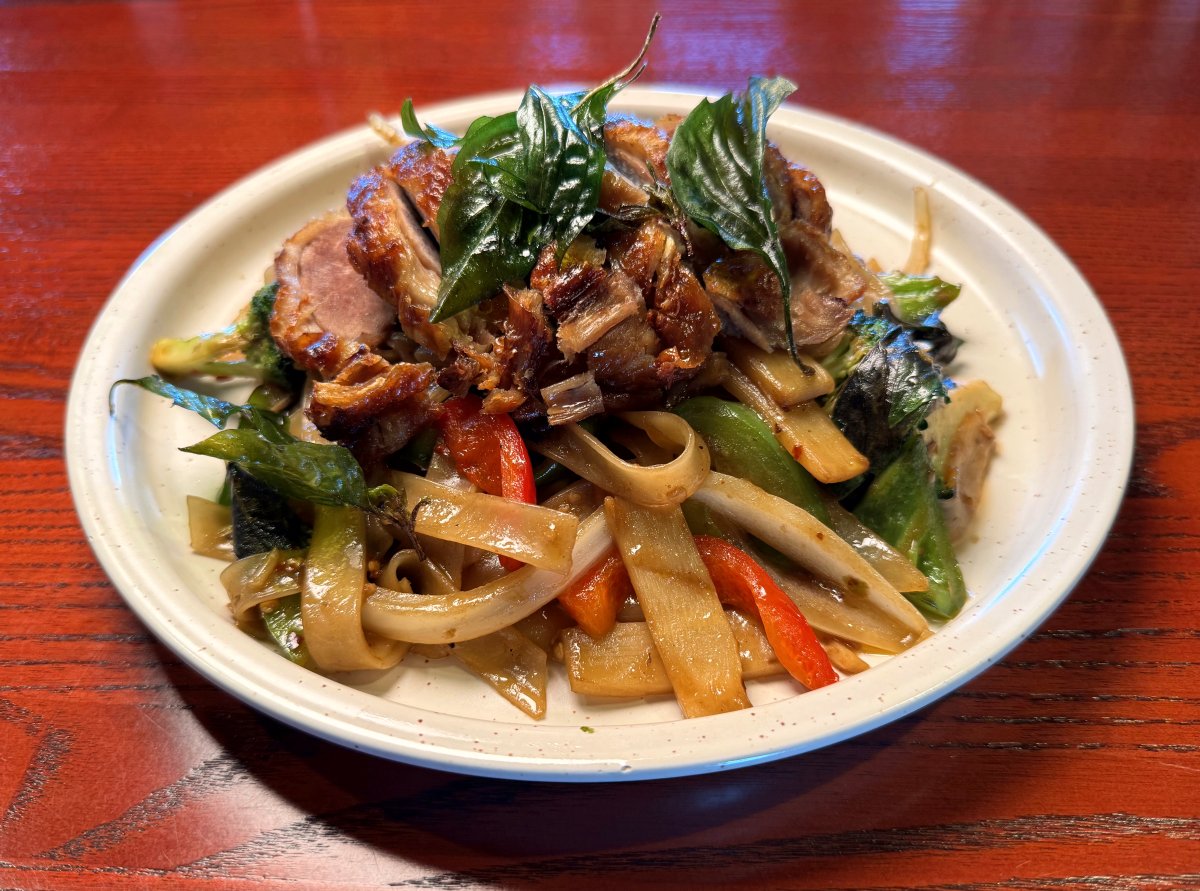

There are weeknight dishes, there are takeout dishes, and then there are the meals you start craving at odd hours because the flavor has planted itself somewhere permanent in your memory. Drunken Noodles belong in that last category. When they are done well, they hit every part of the palate at once. The rice noodles are glossy and chewy, the sauce is savory with a little sweetness, the chilies bring a clean heat, and the Thai basil leaves perfume the whole pan right at the end.
This is one of those dishes that looks simple on the plate and turns out to depend on timing, heat, and balance more than people expect. A flat noodle stir fry can go from lively and restaurant-worthy to sticky and muddy in less than two minutes. That is exactly why it helps to understand what each part is doing before you cook. Once you get the rhythm, Drunken Noodles become one of the most satisfying meals you can make at home.
The version below is built for a home kitchen, not a commercial wok station with a jet engine burner. It respects the spirit of Thai Basil Drunken Noodles while using techniques that actually work on an ordinary stove. The result is bold, fragrant, and deeply comforting.
What makes Drunken Noodles special
Despite the name, there is usually no alcohol in Drunken Noodles. The origin story varies depending on who is telling it. Some say it is the kind of spicy food people crave after a night out. Others suggest the noodles were once cooked with whatever was on hand, in a loose, improvisational way. What matters in the kitchen is not the legend but the profile.
Drunken Noodles, often linked to pad kee mao, are defined by broad rice noodles, a dark savory sauce, fresh chilies, garlic, and Thai basil. That basil matters. Italian basil can stand in when necessary, but it does not give the same peppery, almost anise-like fragrance that rises off the pan in the final seconds of cooking. The dish should taste vivid and fresh, not merely salty.
A lot of restaurant versions lean heavy on sugar or oil. At home, you can keep the sauce assertive without making it one-note. You can also control the vegetables. I like onion, bell pepper, and a tomato element because they soften into the sauce and add juiciness, though not every version includes all three. The real constant is the contrast between smoky stir fry flavor and the bright lift of basil.
The noodle question matters more than people think
If you have ever made a stir fry and wondered why the noodles tore apart, clumped, or turned pasty, the problem usually starts before the pan gets hot. Rice noodles are delicate. They need enough hydration to become flexible, but not so much that they start disintegrating under the spatula.
Fresh wide rice noodles are excellent if you can get them. They tend to have the best chew and are common in many Asian markets, sometimes folded in a bag and dusted lightly with oil. If you buy fresh noodles refrigerated, bring them closer to room temperature before cooking so they separate more easily.
Dried wide rice noodles are more accessible and work beautifully if you soak or boil them carefully. The goal is slightly underdone noodles before they hit the wok https://telegra.ph/Fast-Homemade-Drunken-Noodles-for-Lunch-or-Dinner-09-25 or skillet. They should bend without cracking, but they should not be fully soft. They finish cooking in the sauce.
This is one of those recipes where texture is the line between good and exceptional. A noodle with a little spring makes the whole dish feel alive.
Ingredients for a balanced pan of noodles
The quantities below make about four modest servings, or two very generous ones. If you are feeding a family and using a standard skillet, it is better to cook in two batches than to crowd the pan and steam everything.
| Ingredient | Amount | Notes | | --- | --- | --- | | Wide rice noodles | 12 ounces, about 340 grams | Fresh or dried, prepared until just pliable | | Neutral oil | 2 to 3 tablespoons | Such as canola or avocado oil | | Boneless chicken thigh, thinly sliced | 10 to 12 ounces | Chicken breast works, but thigh stays juicier | | Garlic, finely chopped | 5 cloves | Do not skimp here | | Thai chilies, sliced | 2 to 4 | Adjust for heat tolerance | | Shallot or small onion, sliced | 1 | Red onion also works | | Bell pepper, sliced | 1 medium | Red gives sweetness, green gives bite | | Tomato, cut into wedges | 1 medium | Optional, but excellent in the sauce | | Thai basil leaves | 1 packed cup | More if you love the aroma | | Oyster sauce | 3 tablespoons | Gives body and depth | | Light soy sauce | 2 tablespoons | For seasoning | | Dark soy sauce | 1 to 2 teaspoons | Mainly for color and a hint of molasses depth | | Fish sauce | 1 tablespoon | Adds savory complexity | | Brown sugar | 2 teaspoons | Balances the salt and heat | | Water or low-sodium stock | 2 to 3 tablespoons | Helps loosen the sauce | | White pepper | 1/4 teaspoon | Optional, but good | | Lime wedges | For serving | Optional, but useful |
This ingredient set lands in a sweet spot I have come back to many times. It is savory enough to feel true to the dish, but not so aggressive that every bite tastes like straight soy and oyster sauce. The tomato might surprise some readers, but it is one of those small additions that can make the dish feel rounder and more complete. It breaks down just enough to mingle with the sauce, especially when the pan is hot.
The sauce should be mixed before the pan is hot
This is not the time to measure ingredients while garlic is browning in front of you. Drunken Noodles move fast. Stir together the oyster sauce, light soy sauce, dark soy sauce, fish sauce, brown sugar, water, and white pepper in a small bowl before anything touches the stove.
Taste the sauce if you are comfortable doing so. It will be strong on its own. That is fine. Once it coats noodles, vegetables, and chicken, it settles into place. If you know you are using a particularly salty soy sauce, hold back a little and adjust later. Not all brands behave the same way.
I have learned to keep an extra tablespoon of water nearby. If the noodles tighten up in the pan or the sauce starts reducing too quickly, that little splash can save the texture without diluting the flavor.
Preparing the noodles without wrecking them
If you are using dried rice noodles, follow the package loosely, not blindly. Many packages suggest cooking times that leave the noodles softer than ideal for stir frying. I prefer soaking them in very warm water until flexible, usually somewhere around 20 to 30 minutes depending on thickness, then draining them well. Some brands do better with a brief boil of a few minutes followed by rinsing. Either way, stop before they seem fully tender.
If you are using fresh noodles that are stuck together, separate them gently with your fingers. A few seconds in the microwave or a quick pass through steam can loosen them, but do not overheat them. Once they become too soft before the stir fry starts, they are difficult to rescue.
A little oil on the noodles can help keep them from sticking to each other while you prep the rest. Just do not overdo it. A greasy noodle resists the sauce.
The cooking method that works in a home kitchen
Heat a large wok or a wide heavy skillet over high heat until it is very hot. Add the oil, then the sliced chicken. Spread it out and let it sear briefly before stirring. You want color on the edges, not gray, wet meat. In a restaurant, this would happen in seconds. At home, give it enough time. Once the chicken is nearly cooked through, move it to one side of the pan.
Add the garlic and chilies to the open space. Stir them just until fragrant. This should take less than a minute. Garlic burns fast, especially once it is finely chopped, and burnt garlic will flatten the whole dish with bitterness. Add the shallot or onion and bell pepper, and toss until they start to soften but still hold some shape. Then add the tomato if you are using it. It should warm and begin to slump, not dissolve completely.
Now add the noodles. If they are clumped, use tongs or a spatula to separate them gently. Pour the sauce around the edges of the pan rather than directly into the center. This helps it sizzle and reduce quickly instead of pooling. Toss everything with confidence, but do not shred the noodles trying to force them apart. If the pan seems dry, add that reserved splash of water.
The last move is the basil. Add it once the noodles are glossy and the chicken is cooked through. Toss just until the leaves wilt and release their aroma. Turn off the heat immediately. If basil cooks too long, it loses the bright note that defines the dish.
At this stage, taste one noodle, not just the sauce. The noodle tells you whether the pan needs another teaspoon of fish sauce for depth, a pinch more sugar for balance, or a tiny squeeze of lime to wake it up. That kind of final adjustment is what makes homemade Drunken Noodles taste deliberate instead of approximate.
Heat, smoke, and the flavor people chase in restaurants
People often talk about restaurant wok flavor as if it were impossible to reproduce at home. It is true that a standard burner will not match a professional setup. Still, you can get much closer than most recipes suggest.
The trick is to respect the limits of your pan. Too much food cools the surface instantly. When that happens, instead of stir frying, you steam. Steam makes the vegetables limp and the noodles sticky. For a home stove, smaller batches give better results than a giant panful. That may feel slower, but the food tastes sharper and more alive.
A very hot pan, dry noodles that are not over-soaked, and a sauce that is ready to go do most of the heavy lifting. Let ingredients sit for a moment when they need contact with the pan, especially the chicken. Constant stirring is not always the answer. Brief pauses build browning.
This is one dish where mise en place is not restaurant fussiness. It is survival.
How spicy should Drunken Noodles be?
A proper plate of Drunken Noodles usually has some heat. That said, there is a difference between lively spice and a dish that bulldozes every other flavor. Thai chilies vary wildly in intensity. Two may feel moderate one week and fierce the next. Start where you know your own tolerance sits.
If you are cooking for mixed company, it is better to make the base moderately spicy and offer sliced fresh chilies or chili vinegar at the table. Once too much heat goes into the pan, it is difficult to rebalance. Sugar can soften sharpness a little, and extra noodles can spread it out, but neither truly removes it.
I have found that three Thai chilies in a four-serving batch give a strong but manageable warmth for most heat-friendly eaters. If your guests are cautious, use one or two and let the basil and garlic carry more of the dish.
Chicken is excellent, but not mandatory
Chicken thigh is my first choice because it stays tender under high heat and contributes some richness to the sauce. Thinly sliced beef works very well too, especially flank steak or sirloin cut across the grain. Shrimp make the dish lighter and faster, though you need to watch the timing closely because they overcook quickly. Tofu is also a strong option if handled correctly. Press it well, brown it first, and resist the urge to crowd the pan.
This matters because Drunken Noodles are not really about the protein. They are about the interplay of noodle, sauce, basil, and heat. The protein should support the dish, not dominate it. A half pound too much meat can throw off the ratio and leave you with a stir fry that feels meaty rather than noodle-forward.
Substitutions that work, and ones that do not
Home cooks often ask whether they can swap Thai basil, fish sauce, or oyster sauce and still call it Drunken Noodles. The honest answer is yes, with caveats.
Italian basil will keep the dish enjoyable, but it shifts the aroma into something softer and sweeter. Holy basil, if you can find it, is wonderful but tastes different from Thai basil as well. Fish sauce can be reduced if you are sensitive to it, though removing it entirely takes away some of the deep savory backbone. Oyster sauce is harder to replace because it brings both sweetness and body. Vegetarian mushroom-based stir fry sauces can stand in, but you may need to tweak soy sauce and sugar to compensate.
Soy sauce alone is not enough. The dish ends up thin and flat. It may still be tasty, but it loses the lacquered finish and layered savoriness people expect from Drunken Noodles.
The mistakes that trip people up most often
Nearly every disappointing batch of Drunken Noodles can be traced to one of a few kitchen habits. The good news is that each one is easy to fix once you know what to watch for.
Overcooked noodles are the biggest problem. They may seem fine in the colander, then fall apart as soon as the spatula hits them. Under-cook them slightly before stir frying and let the sauce finish the job. Another common issue is low heat. If the pan is not hot enough, the vegetables leak water, the protein releases juices, and the whole dish turns soupy. Crowding the pan causes the same result. It is also easy to over-sauce the noodles. Broad rice noodles absorb flavor quickly. Too much liquid turns them heavy and dark rather than glossy.
The final mistake is adding the basil too early. Thai basil is not a background herb in this recipe. It is the top note. Give it only the last few seconds in the pan so it stays fragrant.
Serving the dish while it is at its best
Drunken Noodles are best eaten immediately. This is not culinary snobbery. Rice noodles change as they sit. They absorb sauce, firm up in places, and lose some of the supple chew that makes the dish special right off the stove.
Serve them in warm bowls or plates if possible. A wedge of lime on the side is useful, even if some purists skip it, because a quick squeeze can wake up a batch that feels slightly heavy. A simple cucumber salad or lightly dressed greens make a nice contrast if you want to round out the meal, but the noodles can absolutely stand alone.
If you are setting out condiments, keep them restrained. A little chili vinegar or fish sauce with sliced chilies can be helpful for guests who want to tune their own bowl, but avoid burying the dish under too many extras. The point is the noodle itself.
Leftovers, realistically
Leftover Drunken Noodles are still good, but they are different. The texture will be less springy the next day, and the basil aroma fades. Reheat them quickly in a skillet rather than a microwave if you can. Add a teaspoon or two of water to loosen the sauce, then toss just until warmed through. Too much heat during reheating will harden some parts and break others.
If I know I am planning for leftovers, I deliberately undercook the noodles by a small margin during the original cook. That gives them a better chance of holding up later. Even so, this is one of those dishes that rewards making exactly what you plan to eat.
Why this recipe earns a place in regular rotation
Some meals impress because they are elaborate. Others earn loyalty because they deliver a lot of satisfaction with a manageable amount of effort. Drunken Noodles sit comfortably in the second category. Once the ingredients are prepped, the pan work is fast. The flavor is bold enough to feel like a treat, but the method is practical enough for a Tuesday night.
There is also room for judgment, which is part of the pleasure. You can make it hotter on a rainy evening, heavier on the basil in summer, more vegetable-forward when the market is good, or more protein-rich when you need a sturdier dinner. The core remains the same, but the dish invites a cook’s hand.
That is why this Thai Basil Drunken Noodles recipe tends to stick. It gives you something restaurant-style without requiring restaurant conditions. It teaches useful stir fry instincts. Most of all, it tastes like the kind of meal people remember and request again.
When you get the noodles right, when the garlic and chilies bloom in hot oil, when the basil hits the pan and the whole kitchen changes smell in an instant, you understand why this dish has such staying power. It is not subtle, and it is not meant to be. It is energetic, fragrant, and deeply satisfying, which is exactly what Drunken Noodles should be.
Nakhon Luang Thai Kitchen
Address: 805 Village Center Dr, Colorado Springs, CO 80919
Phone number: +17195315175
FAQ About Drunken Noodles
What makes it drunken noodles?
Drunken noodles, or Pad Kee Mao, get their name from the Thai word khi mao (meaning "drunkard"). They contain no alcohol. The name comes from the idea that the dish is a popular late-night meal to cure a hangover or a great food to eat with a cold beer.
What is the difference between pad see ew and drunken noodles?
While both Pad See Ew and Drunken Noodles use the same wide rice noodles, Pad See Ew is a mild, sweet-savory dish made with dark soy sauce and Chinese broccoli, whereas Drunken Noodles (Pad Kee Mao) are fiery, garlicky, and herbaceous with fresh chilies and Thai basil.
What are traditional drunken noodles?
Traditional drunken noodles, known as Pad Kee Mao in Thai, are a fiery, savory street food stir-fry made with wide flat rice noodles, fresh garlic, lots of hot chilies, meat or tofu, and fragrant holy basil. Despite the name, they contain no alcohol; the dish is traditionally eaten late at night or as a hangover cure because the intense spice helps clear the head.